
Hersteller von FUJI-SMT-Pipetten
Die Pipette ist der letzte Millimeter zwischen Ihrem FUJI-Kopf und einer guten Platine. ø0,3 bis ø15 mm. Matrix-codiert. Drop-in-Passung.
Southern Machinery konstruiert und fertigt FUJI-kompatible SMT-Bestückpipetten – NXT H01/H04/H04S/H08/H12/H08M/H24, CP/QP/IP und kundenspezifische LED-Spitzen von ø0,3 bis ø15 mm, aus Keramik, Metall und mit Gummipad, mit OEM-Data-Matrix- und Farbmatrix-Codes. Maßhaltiger Drop-in-Ersatz, ein Tag Ersatzteil-Lieferzeit, fünf Tage für kundenspezifische Konstruktion. Fordern Sie eine Pipettenzuordnung an.
Southern Machinery konstruiert und fertigt FUJI-kompatible SMT-Pipetten für die smarte EMS-Leiterplattenbestückung. Von der ø0,3-Mikrospitze am NXT-Kopf H08 bis zur ø15,0-Großbauteilpipette am H04 decken wir die Köpfe ab, mit denen Ihre Linie tatsächlich läuft – NXT H01, H04, H04S, H08, H12, H08M und H24 sowie die Bestücker CP4, CP6, QP, IP-3 und XP und die Dispenserserie GL. Unsere Pipetten tragen den OEM-Data-Matrix- und Farbmatrix-Identifikationscode, sodass die Maschine sie nativ liest, mit Spitzen aus Keramik, Metall und mit Gummipad (G), dazu MELF- und Ein-/Zweiloch-Varianten. Maßlich passend zur Kopfaufnahme, sodass sie…
Wichtigste Merkmale
Die Spitze bestimmt die Aufnahme
Ein NXT-Kopf nimmt kein Bauteil auf, sondern eine Position – über eine Spitze. Passt die Spitze nicht zum Bauteil – zu breit, zu schmal, falsches Material –, greift der Kopf zu, verfehlt den Schwerpunkt, und die Bestückung ist grenzwertig. Jede Fehlaufnahme geht auf eine Spitze zurück, die nie auf das Bauteil abgestimmt wurde.
Der Matrix-Code ist keine Dekoration
FUJI-Pipetten tragen einen OEM-Data-Matrix- und Farbmatrix-Code, damit die Maschine genau weiß, welche Spitze an welcher Position sitzt. Ein Ersatz ohne korrekte Codes kann falsch gelesen, abgelehnt oder unbemerkt mit falscher Geschwindigkeit verwendet werden – die Abwurfquote steigt, und niemand weiß, warum. Wir reproduzieren die Codes.
OEM-Preise belasten das Ersatzteilbudget
Original-FUJI-Pipetten sind teuer und haben oft lange Lieferzeiten, also betreiben Fabriken sie über ihre Nutzungsdauer hinaus, um einen Stillstand zu vermeiden. Das ist falsche Sparsamkeit: Ein stehender NXT-Kopf kostet in einer Stunde mehr als ein ganzer Satz passender Pipetten. Eine rückverfolgbare Aftermarket-Quelle macht aus der Ersatzteilposition statt einer Geisel einen Plan.
Spezifikationen
Werte wie in den Unterlagen von Southern Machinery veröffentlicht. Widersprechen sich zwei Quellen, werden beide Werte mit Quelle gezeigt.
| Product | FUJI-compatible SMT pick-and-place nozzle (NXT, CP/QP/IP, dispenser, custom odd-form) |
|---|---|
| NXT heads covered | H01 · H04 · H04S · H08 · H12 · H08M · H24 |
| Machine series | NXT · CP4 · CP6 · CP7 · CP8 · QP · IP-3 · XP · AX · GL (dispenser) |
| Tip diameter window | ø0.3 mm micro-tip up to ø15.0 mm large-component tip |
| Component coverage | 0201 · 0402 · 0603 · 1005 · 1608 · 2012 · 3216 · 4532 · MELF · SOP · QFP · IC · LED |
| Part-number format | FUJI NXT nozzle series FU-AAxxxxx; CP/QP/IP nozzle assemblies R / S / M / B coded |
| Tip variants | Standard · MELF (M/ML) · rubber-pad (G) · single and double bore |
| Tip materials | Ceramic · metal (tungsten / spring steel) · rubber pad · fluorescent and black body |
| Identification | OEM data-matrix + colour-matrix code reproduced so the head reads the nozzle natively |
| Shank & fit | Dimensional match to the head holder — drop-in, no head rework or re-teaching |
| Dispenser needles | GL series dispense needles for adhesive, flux and solder-paste application heads |
| Filters & consumables | Standard NXT head filters and original-class consumables supplied alongside |
| Custom design | 5-day design service from a part photograph — no CAD drawing required |
| MOQ | Single-piece replacement to full production batch |
| Spare-parts lead time | Documented one-day spare-parts lead time on the standard family |
| Verification | Tip diameter, bore, concentricity, matrix code and shank fit checked before ship |
| Cross-reference | Matched against the FUJI NXT head and CP/QP/IP taxonomy before quotation |
| Other brands supported | Yamaha · JUKI · Panasonic NPM · ASM / Siemens · Hitachi · custom |
| Warranty | Against manufacturing defects, per the quoted order terms |
| Contact | info@smthelp.com · WhatsApp +86 13602562576 |
Modelle, Vergleiche und offene Punkte
Which FUJI head, which nozzle series (6 Zeilen)
| FUJI machine / head | Nozzle series (P/N) | Typical tip / spec | Component sizes covered |
|---|---|---|---|
| NXT · H01 head | FU-AA0xxx (H01) | ø1.0 → ø7.0 · ceramic / MELF / rubber-pad (G) | 0402 · 0603 · 1005 · 1608 · MELF · IC |
| NXT · H04 / H04S head | FU-AA06xxx / FU-AA8xxx | ø1.0 → ø15.0 · ceramic / MELF / G | 0603 · 1005 · 1608 · 2012 · 3216 · IC · SOP/QFP |
| NXT · H08 / H12 head | FU-AA05xxx / FU-AA20xxx | ø0.3 → ø5.0 · ceramic / MELF | 0201 · 0402 · 0603 · 1005 · 1608 · MELF |
| NXT · H08M head | FU-AA8Lxxx / FU-AA8Mxxx | ø0.4 → ø5.0 · ceramic / MELF / G | 0402 · 0603 · 1005 · 1608 · MELF |
| NXT · H24 high-density head | FU-AAxxxx (H24) | Multi-tip high-density · ceramic | 0402 · 0603 · 1005 · 1608 · IC |
| CP4 / CP6 · QP · IP-3 / XP | FU-AMPH / FU-AWPH assy | ø0.4 → ø7.0 · fluorescent / black R/S/M/B | 0603 · 1005 · 1608 · 2012 · 3216 · IC |
Im Detail
A worn or mismatched nozzle quietly decides your FUJI yield
Nobody orders a NXT because of its nozzles — but the nozzle is the only thing that actually touches your component. Its tip diameter sets whether a 0402 lifts square; its matrix code sets whether the head even recognises it; its material sets how fast it wears. On a high-mix EMS line running FUJI, the nozzle is where mispicks, skewed parts, tombstoning and 'mystery' reject spikes really come from. Southern Machinery makes the nozzle the predictable part.
- The tip sets the pick. A NXT head does not pick a component; it picks a position through a tip. When the tip is wrong for the part — too wide, too narrow, the wrong material — the head reaches, misses the centre of gravity, and the placement is marginal. Every mispick traces back to a tip that was never matched to the part.
- The matrix code is not decoration. FUJI nozzles carry an OEM data-matrix and colour-matrix code so the machine knows exactly which tip is in which position. A replacement without the correct codes can be mis-read, rejected, or silently used at the wrong speed — the reject rate climbs and nobody knows why. We reproduce the codes.
- OEM pricing squeezes the spares budget. Genuine FUJI nozzles are expensive and often carry long lead times, so factories run them past their useful life to avoid a stop. That is a false economy: one stopped NXT head costs more in an hour than a whole set of matched nozzles. A traceable aftermarket source turns the spares line from a hostage into a plan.
From your head to a fitted nozzle in six documented moves
Nozzle supply is not catalogue roulette. It is a matching discipline: read the machine and head, cross-reference the part number and matrix code, choose the geometry and material for the actual component, then verify dimensions before it ever reaches your line. This is the sequence Southern Machinery engineers follow on every FUJI order, and the same one we invite you to run against your own part master.
- Read the machine and head. Everything starts with the model and head — NXT H01, H04, H04S, H08, H12, H08M or H24, or a CP4 / CP6 / QP / IP-3 / XP inserter, or a GL dispenser head. The head fixes the shank, the holder interface and the vacuum take-off, so it is the first fact we record.
- Cross-reference the part number and code. We match your nozzle against the FUJI taxonomy — the FU-AAxxxxx NXT nozzle series and the CP/QP/IP nozzle assemblies — and reproduce the OEM data-matrix and colour-matrix identification so the head reads the replacement natively.
- Choose the tip geometry. The component decides the tip: a 0201 or 0402 needs the ø0.3–ø0.7 micro-tip, a MELF needs a dedicated MELF bore, a large IC or electrolytic needs a wide ø5.0–ø15.0 tip or a gripper, and an LED or odd-form part may need a custom profile.
- Select material and pad. Ceramic for fine-pitch, low-static, long-life picking; metal for rugged larger parts; rubber-pad (G) tips for sensitive bodies where a hard tip would mark or crack. The document lists the G (rubber pad) and MELF variants against real part numbers.
- Manufacture and dimensionally verify. Each nozzle is ground to the OEM dimensions and checked — tip diameter, bore, concentricity, matrix code, shank fit — before it ships. The pick position must be identical on cycle one and cycle five hundred thousand.
- Drop in and confirm the first pick. Because the fit is dimensional to the head holder and the code matches, the nozzle drops in and is recognised without re-teaching. We ask for a first-article pick on your own tape so the match is proven on your line, not just on the drawing.
Which FUJI head, which nozzle series
The table below maps the FUJI heads and machine series in the document to the nozzle part-number families and the component sizes they cover. Use it to find your row, then send us the exact part number for a dimensional match.
Configure the nozzle to your part, not the other way round
Once the head and series are matched, these are the choices that turn a generic tip into the right tip for your component and your wear pattern.
- Tip material & pad. Ceramic, metal, or rubber-pad (G) — chosen for the part body, the pick force and the wear life you need.
- Bore & MELF variant. Standard, single or double bore, and dedicated MELF tips for glass-bodied components.
- Matrix-code reproduction. OEM data-matrix and colour-matrix identification reproduced so the head recognises the nozzle and its position.
- Spares kits & batch. Named-part-number kits with the right mix of tips on the shelf, so a swap is a morning's work, not a wait.
- Filters & consumables. Standard NXT head filters and original-class consumables supplied with the nozzles to keep suction clean.
- Custom design from a photo. No catalog tip fits? The documented 5-day design service returns a bespoke nozzle or LED-tip concept from three photographs.
How to order a nozzle that fits first time
Getting a matched FUJI nozzle is a short, repeatable process. Here is the sequence we run with every new EMS customer, so the part arrives ready to drop into the head and be recognised.
- Identify the machine and head. Note the model (NXT, CP, QP, IP, XP, AX or GL) and the head — H01, H04, H04S, H08, H12, H08M or H24. A photo of the head and the existing nozzle is enough to start.
- Give us the part number. Send the FUJI nozzle P/N (the FU-AAxxxxx NXT series or the CP/QP/IP assembly code) printed on the nozzle or in your spares list.
- Confirm geometry, material & code. We check the tip diameter, bore, MELF/G variant and matrix code against the component you place, and flag anything to change for your wear pattern.
- Sample & dimensional verify. For new or custom tips we ship a sample and confirm tip diameter, bore, concentricity, matrix code and shank fit against the drawing.
- Fit to the head. Drop-in fit to the holder and recognised by the head — no re-teaching. Run a first-article pick on your own tape to confirm the match.
- Maintain & schedule swaps. Track cycle counts, change the head filters, clean the vacuum channel, and reorder from a named part number before the tip drifts into a reject.
What you get when you order from Southern Machinery
Fifteen years of SMT and THT spare parts, quoted and shipped from Shenzhen.
Videos
Clips aus dem YouTube-Kanal von Southern Machinery. Von YouTube wird erst etwas geladen, wenn Sie auf Abspielen drücken.
Kataloge und Dokumente
- PDFFuji Nozzles & Consumables Feeders
- PDFSMT Nozzle Supplier -Southern MachinerySMT Nozzle Supplier — Southern Machinery
- PDFSouthern Machinery Customized Feeder Nozzle Catalog V03Customized Feeder & Nozzle Catalog V03
- PDFYamaha - Nozzle Catalogue -By SMThelpYamaha Nozzle Catalogue (SMThelp)
- 3DFull YouTube video board
- 3DFull product catalog board
- PDFSMT JUKI Serial Nozzle — Southern Machinery
- PDFS-6200 nozzle cleaning machine manual
- LINKMachine catalogue — file.autoinsertion.com
Technische Notizen
ARTICLE 01The one millimetre nobody specs — and why it decides your yield
The nozzle is the only thing in the pick-and-place cycle that touches the component, yet it rarely appears on the machine spec sheet. Article body shown in English; summaries localised. Every SMT engineer can name the FUJI NXT that placed a part. Almost none can name the nozzle that picked it. That is the gap: the…
ARTICLE 02Why the matrix code on a FUJI nozzle is not decoration
The data-matrix and colour-matrix code tells the head which tip is where — and what happens when a replacement does not carry it. Article body shown in English; summaries localised. Flip over a genuine FUJI NXT nozzle and you will see two small codes on the flange — a data-matrix and a colour-matrix. They look like…
ARTICLE 03ø0.3 to ø15 mm — choosing the tip for the part
A method for reading your component and matching it to the right NXT head and tip diameter. Article body shown in English; summaries localised. A FUJI NXT head can take tips from ø0.3 all the way to ø15.0. That range is the whole point of the machine — and the whole trap. Pick the wrong diameter and you either crush…
ARTICLE 04The part number you cannot read
How to identify a worn FUJI nozzle and turn an illegible marking into an exact replacement. Article body shown in English; summaries localised. Half the nozzle orders we get start with a photo of a part number that has worn off. The marking is tiny, it sits on a curved body, and after a few hundred thousand picks it…
ARTICLE 05Running a nozzle past its life is a false economy
The real cost of stretching a tip, measured against the hour of head time it eventually costs you. Article body shown in English; summaries localised. The most expensive nozzle is the one you keep too long. Running a tip past its life saves a purchase order and costs you an hour of head time — usually at the worst…
ARTICLE 06LEDs and odd-form parts need odd-form tips
Rubber-pad, gripper and custom geometries — matching shape to the parts that defeat a standard tip. Article body shown in English; summaries localised. Ask an operator which parts are hardest to place on a FUJI and they will not name the 0402. They will name the LED, the connector, the odd-shaped thing that a…
Vollständige Artikel auf der interaktiven Produktseite lesen →
Häufige Fragen
Passen diese an Original-FUJI-NXT-Köpfe?
Ja. Wir passen Schaft und Aufnahmeschnittstelle maßlich an die OEM-Pipette des Kopfes an, den Sie betreiben – NXT H01, H04, H04S, H08, H12, H08M und H24 sowie die Bestücker CP, QP, IP und XP – und reproduzieren die Data-Matrix- und Farbmatrix-Kennung, damit der Kopf die Pipette erkennt. Senden Sie die genaue Teilenummer, und wir bestätigen die Passung vor Ihrer Bestellung.
Wie hoch sind Mindestbestellmenge und Lieferzeit?
Wir liefern von einem einzelnen Ersatzstück bis zur vollen Produktionscharge. Die Standard-Pipettenfamilie hat eine dokumentierte Ersatzteil-Lieferzeit von einem Tag; kundenspezifische oder LED-Spitzen folgen nach dem Konstruktionsschritt dem angebotenen Zeitplan.
Können Sie eine Pipette fertigen, die nicht in der Liste steht?
Ja. Der dokumentierte Fünf-Tage-Konstruktionsservice beginnt mit einem Foto, nicht mit einer Zeichnung. Senden Sie das Bauteil, ein paar Stück davon und die Platine sowie Ihr Tagesvolumen, und wir liefern ein Pipettenkonzept zurück – Geometrie, Bohrung, Material, Matrix-Code und Kopfschnittstelle.
Keramik, Metall oder Gummipad – was sollte ich wählen?
Das hängt vom Bauteil und Ihrem Verschleißbild ab. Keramik eignet sich für Fine-Pitch 0201/0402/0603 mit geringer statischer Aufladung und langer Standzeit; Metall für größere, robustere Teile; die Gummipad-Varianten (G) für empfindliche Gehäuse und LEDs, die eine harte Spitze markieren würde. Sagen Sie uns, was Sie bestücken, und wir empfehlen.
Wie finde ich meine Pipetten-Teilenummer?
Die FUJI-Teilenummer ist meist per Laser auf den Pipettenkörper graviert (zum Beispiel mit einem NXT-Präfix FU-AAxxxx) oder in Ihrem Ersatzteilverzeichnis geführt, und der Spitzendurchmesser (ø0,7, ø1,3, ø2,5 …) ist auf den Flansch gedruckt. Ist sie abgenutzt, genügt uns ein klares Foto der Spitze und das Kopfmodell für die Zuordnung.
Liefern Sie Pipetten für andere Bestücker?
Ja. Dieselbe Kompetenz deckt Pipetten für Yamaha, JUKI, Panasonic NPM, ASM / Siemens und Hitachi ab, dazu vollständig kundenspezifische Greifer- und Vakuumspitzen. Fragen Sie nach den Marken Ihrer Linie.
Wie verlängere ich die Lebensdauer einer Pipette?
Halten Sie den Vakuumkanal sauber, wechseln Sie die Filter des NXT-Kopfes planmäßig und erfassen Sie die Zyklenzahlen. Tauschen Sie nach Plan anhand einer benannten Teilenummer, statt auf einen Anstieg der Abwürfe zu warten, und kombinieren Sie die Pipetten mit einem automatischen Pipettenreiniger, um die Saugleistung wiederherzustellen.
Wie erhalte ich ein Angebot?
Schreiben Sie an info@smthelp.com oder per WhatsApp an +86 13602562576 mit Maschinenmodell, Kopfposition und Pipetten-Teilenummer (oder einem Foto). Wir antworten mit einem passenden Teil, Preis und Lieferzeit, meist noch am selben Arbeitstag.
Ähnliche Produkte
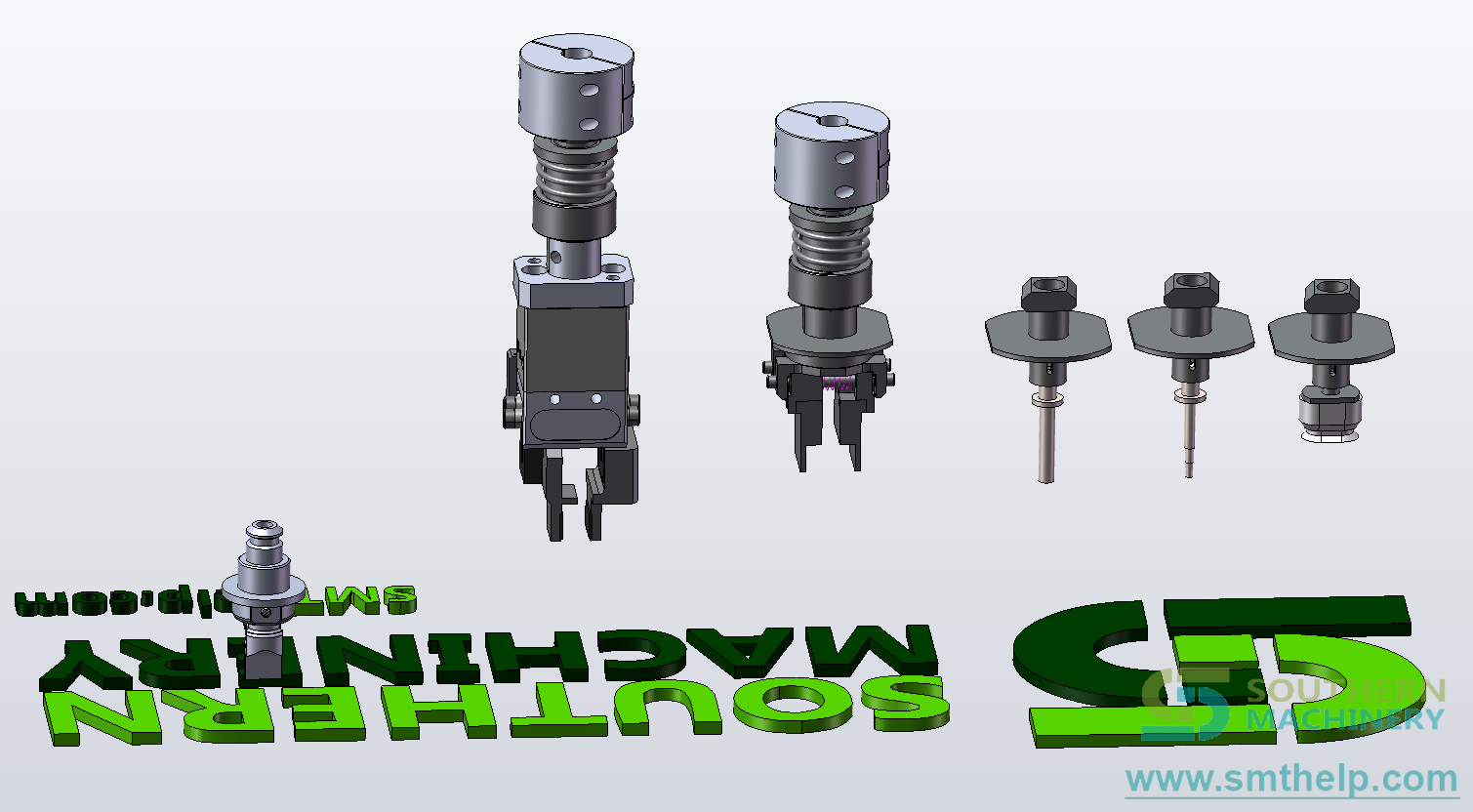
Hersteller kundenspezifischer SMT-Pipetten und Greifer
Southern Machinery konstruiert und fertigt kundenspezifische SMT-Pipetten und Greiferpipetten für Odd-Form-Bauteile. JUKI, Yamaha, Fuji, Samsung, Panasonic. Senden Sie ein Bauteil für ein Angebot.

JUKI SMT-Bestückpipetten – Hersteller für die smarte EMS-Leiterplattenbestückung
Vakuum-, Schlitz-, Greifer- und Rohrpipetten für JUKI-Bestücker KE-2010 bis KE-2060, FX-1 und die 700er-Serie. Spitzenbohrungen von 0,4 mm bis 9,5 mm, Körper aus Kupferlegierung, kundenspezifische Konstruktion, eine Woche Lieferzeit.

Konstruktion und Fertigung von SMT-Pipetten und Greifern für die smarte EMS-Leiterplattenbestückung
Southern Machinery konstruiert und fertigt kundenspezifische SMT-Pipetten und Greiferpipetten für die smarte EMS-Leiterplattenbestückung. 99,99 % Aufnahmequote, Spitzen aus Diamantstahl und Keramik, Plug & Play für JUKI, Yamaha, FUJI, Panasonic. Lieferung in 2–4 Wochen, über 50 Länder.
SMT-Bestückpipetten-Serie – Hersteller für die smarte EMS-Leiterplattenbestückung
Bestückpipetten für Bestücker von JUKI, Yamaha, Siemens/ASM, FUJI, Panasonic und Samsung/Hanwha: Vakuum-, Schlitz-, Greifer- und Rohrpipetten, Standard und kundenspezifisch, abgestimmt auf Ihren Kopf. Ein Lieferant für das ganze Pipettenregal.
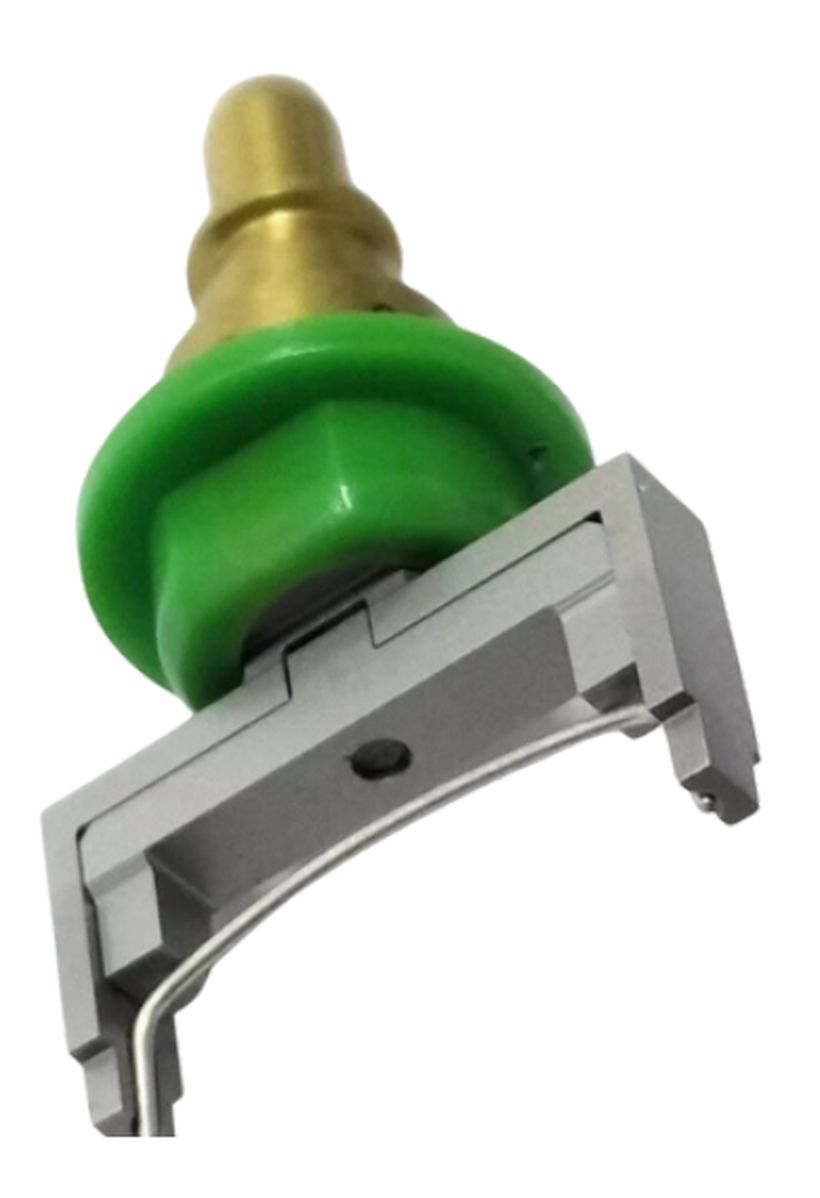
Hersteller von Panasonic-SMT-Pipetten
Southern Machinery konstruiert und fertigt Panasonic-kompatible SMT-Bestückpipetten für NPM- (D3/W/TT2/VF) und CM-Bestücker (402/602/603) – Vakuum-, Greifer-, Kalibrier- und kundenspezifische Odd-Form-Spitzen von 0402 bis Φ10 mm, aus Keramik, Metall und Gummi. N6100xxxxx-Teilenummern reproduziert, maßhaltiger Drop-in-Ersatz, ein Tag Ersatzteil-Lieferzeit, fünf Tage für kundenspezifische Konstruktion. Fordern Sie eine Pipettenzuordnung an.

Hersteller von Siemens-SMT-Pipetten für die smarte EMS-Leiterplattenbestückung
Bestückpipetten für Siemens und ASM SIPLACE, abgestimmt auf Ihren 12-Segment-Stern-Kopf, den C&P20A-Stern oder CPP-Segmente. 128 dokumentierte 7xx/9xx-Datenblätter, Keramik- und kundenspezifische Spitzen, vakuumgeprüft. Identifizieren, prüfen, nachbauen.
Einige technische Angaben auf dieser Seite (Tabellen, Dokumenttitel) erscheinen wie veröffentlicht auf Englisch.
Angebot anfordern: Hersteller von FUJI-SMT-Pipetten
Senden Sie Ihre Platine, Bauteilliste oder Ihr Maschinenmodell, und wir antworten mit einer Konfiguration und einem Angebot. Preise werden projektbezogen kalkuliert.